
Mulching Edging
Canton MA
Looking for help with Mulching Edging Canton MA?
Are you a Homeowner? Business Owner? Property Manager? Or maybe someone just looking for more information on Mulching Edging Canton MA?
You’re in the right place…
DO YOU HAVE THESE PROBLEMS:
• Discolored or old mulch?
• Overgrown weeds and debris?
• Inconsistent bare spots?
• Need new mulch installed?
A. Buckley Landscaping’s Mulching Edging services have helped thousands of homeowners, business owners, property managers, and other individuals in Canton, MA and the surrounding communities. After some research, we’re confident you’ll find us to be the right landscape company to handle yourspring fall clean-ups.
Why Choose
A. Buckley Landscaping for Mulching Edging Canton MA?
In short…Because we have a reputation for quality work and being budget friendly. Our customer service is second to none. Our team is always responsive, courteous, friendly, and respectful.
At A. Buckley Landscaping, we do it all! From conception to completion, we handle every aspect of design, construction, planting, and maintenance. This integrated approach reduces project time and money by streamlining each phase of implementation and eliminating the delays that often plague sub-contracted projects.
With A. Buckley Landscaping, you’ll receive:
- Quality workmanship that is guaranteed to last
- Work from licensed professionals who are honest and hardworking
- Dependable service that is completed on time and on budget
- Free estimates and a fully insured crew
To review the creativity of our design and the quality of our craftsmanship, simply take a look at our Photo Gallery. Our decades worth of landscaping projects speak for themselves! From custom landscape designs to planting projects, patios, stonework, and more — You can trust your yard or business property to our team of experts.
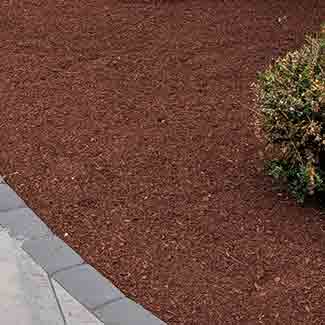
Benefits of
Mulching Edging:
Insulates soil from weather
Keeps roots moist
Keeps weeds out
Prevents soil compaction
Full Service Landscaping Company
, MA
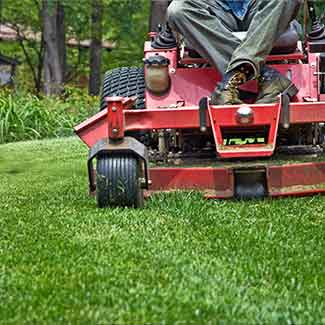
Lawn Mowing
MA
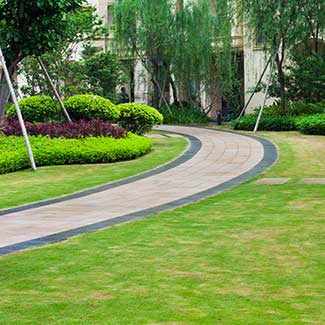
Property Maintenance
MA

Landscaping Company

Snow Removal Company
MA
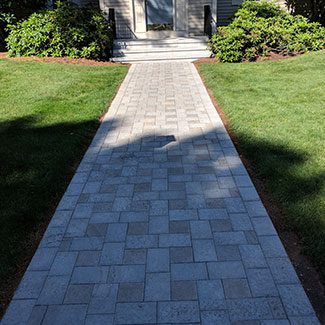
Patios, Walkways, Fire Pits
MA
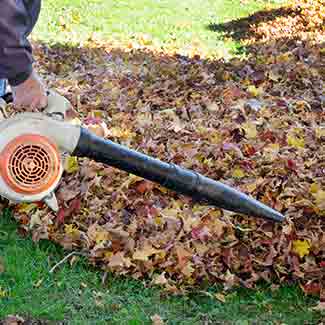
Spring Fall Clean-ups
MA
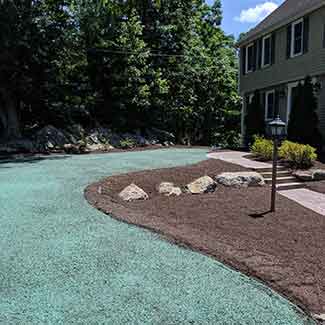
Lawn Installation
MA
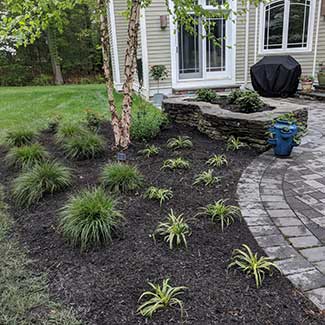
Landscape Design
MA
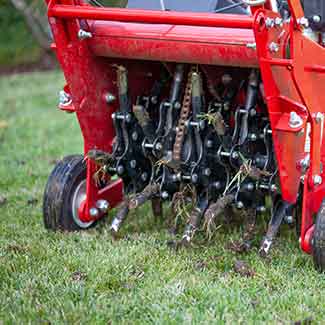
Lawn Aeration
MA
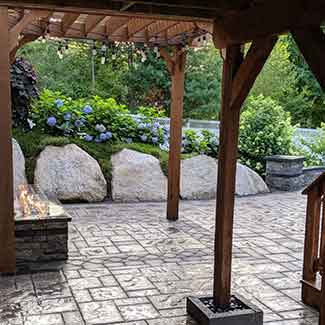
Landscape Construction
MA
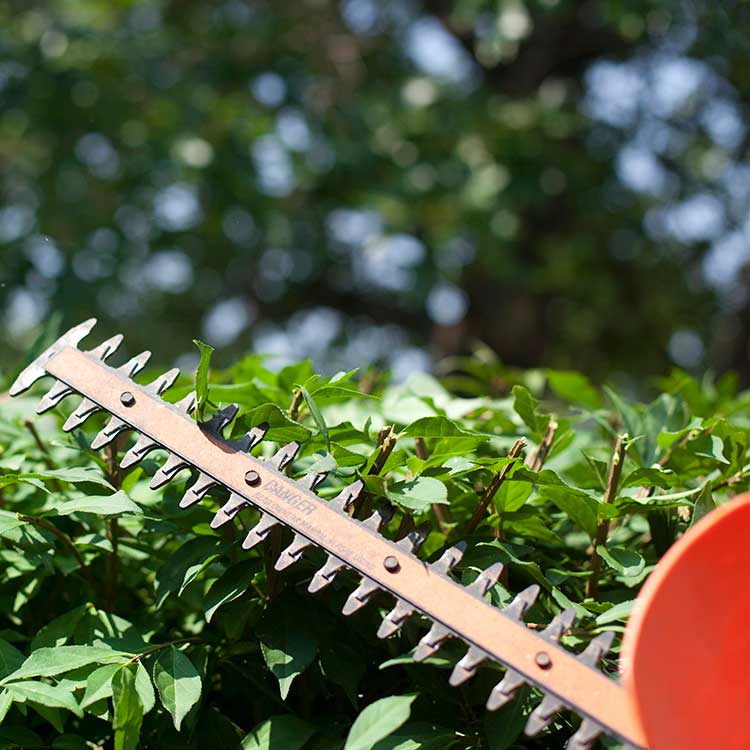
Shrub Care & Pruning
MA
Mulching & Edging
MA
How much does professional mulching cost?
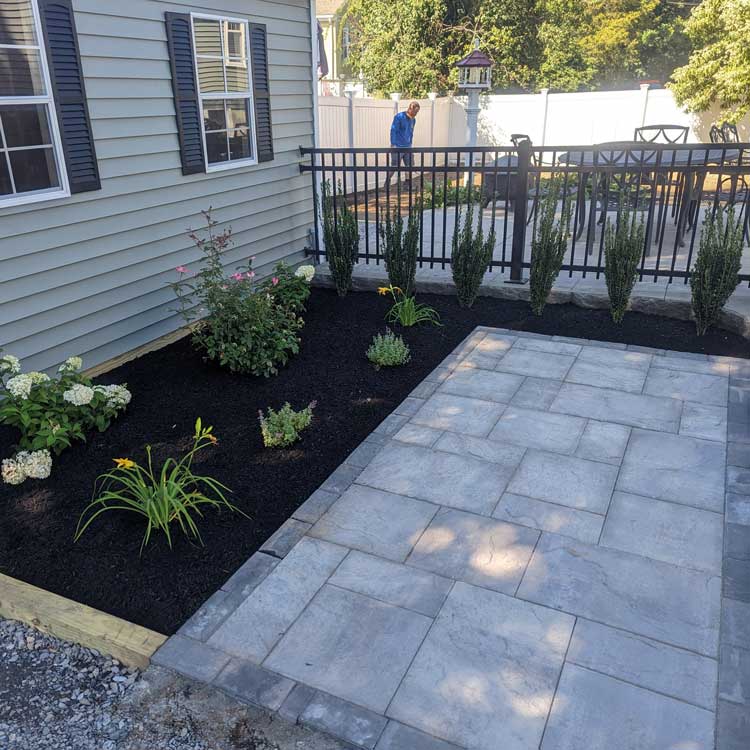
Professional mulching is one of the most cost-effective ways to boost your landscape’s health and curb appeal—and most homeowners are surprised how affordable it really is. On average, professional mulching costs between $80 and $150 per cubic yard of mulch installed, depending on the type of material you choose and the size of the area.
Here’s how the pricing typically breaks down:
Basic Mulch (Shredded Bark or Hardwood): Usually the most affordable option, ideal for routine maintenance.
Premium Mulch (Colored, Cedar, or Specialty Blends): Costs more but lasts longer, resists fading, and enhances landscape aesthetics.
Installation Included: Professional pricing includes delivery, spreading, bed cleanup, edging, and disposal of old mulch—so you’re not left with the heavy labor.
For most homeowners with average-sized beds, a full professional mulch application typically ranges from $200 to $600 total. Larger properties, thicker mulch depths, or premium materials can increase costs modestly.
More importantly than price alone is value: professional mulching helps suppress weeds, retain soil moisture, regulate soil temperatures, and give your landscape a finished, clean look. Mulch that’s installed poorly or unevenly often blows away, compacts, or fades quickly—negating any savings.
If you want a lush, polished landscape that performs season after season, professional mulching is a smart investment. Schedule a consultation to get an accurate estimate and a plan tailored to your yard.
★★★★★
Top-Rated Landscaper
Focused On Quality And Service



Canton, MA
History
The area that is present-day Canton was inhabited for thousands of years prior to European colonization. The Paleo-Indian site Wamsutta, radiocarbon dated to 12,140 years before present, is located within the bounds of modern day Canton at Signal Hill.
At the time of the Puritan migration to New England in the early 1600s, Canton was seasonally inhabited by the Neponset band of Massachusett under the leadership of sachem Chickatawbut.
From the 1630s to the 1670s, increasing encroachment by year-round English settlers on lands traditionally inhabited only part of the year, devastating virgin soil epidemics, and English colonial policy pushed native people in to Praying Towns, a precursor to modern day Indian reservations.
The modern town of Canton was the site of Ponkapoag, the second Praying Town in the Massachusetts Bay Colony, which was set off from Dorchester in 1657, three years after English colonists resettled a group of Nemasket there from Cohannet, modern day Taunton. The so-called Praying Indians that settled in Ponkapoag are known today as the Massachusett Tribe at Ponkapoag.
In 1674, King Philip’s War led to significant depopulation of Ponkapoag, which found itself on the fault lines of one of the bloodiest conflicts in North American history, and in October 1675 those Praying Indians that remained were forcibly removed to Deer Island by order of the Massachusetts General Court. After the war, in part because of the loss of life and the fleeing of native refugees north to join the Wabanaki Confederacy, the General Court disbanded 10 of the original 14 towns in 1677 and placed the remaining four, including Ponkapoag, under the supervision of colonists.
Over the next 100 years, while Ponkapoag remained an official entity, the loss of self-determination and privatization of collective lands led to the gradual intermixing of native and settler populations in the area.
In 1726, Stoughton, Massachusetts, split from the large original territory of Dorchester; then on February 23, 1797, Canton was officially incorporated from the territory of Stoughton. The name “Canton” was suggested by Elijah Dunbar and comes from a belief that Canton, China, was antipodal to it. This is not possible, since they are both well north of the Equator; they are, however, about 2 degrees from being antipodal in longitude, ignoring latitude. In addition to being a prominent Canton citizen, Elijah Dunbar was the first president of the Stoughton Musical Society from 1786 to 1808. Now named the Old Stoughton Music Society, it is the oldest choral society in the United States.
Paul Revere built the nation’s first copper rolling mill in Canton in 1801. His poem entitled Canton Dale expresses his affection for the town. Canton was the location of the Rising Sun Stove Polish Company, founded by Elijah Morse, a wealthy merchant and creator of the pot-belly stove.
Geography
According to the United States Census Bureau, the town has a total area of 19.6 square miles (51 km), of which 18.9 square miles (49 km) is land and 0.6 square miles (1.6 km) (3.27%) is water.
Canton lies at the foot of Great Blue Hill. The Canton River flows through the center of the town, linking a chain of small lakes including Bolivar and Forge Ponds and flowing into the Neponset River. The Neponset River forms the boundary between Canton and its western neighbors: Norwood, Westwood, and Dedham. In addition to wooded land, the area includes wetlands, particularly in the eastern part along Route 138 near the Randolph and Stoughton borders, and in the western part along I-95.
Canton borders the towns of Dedham, Milton, Norwood, Randolph, Sharon, Stoughton, Westwood and the Hyde Park neighborhood in the city of Boston.
What Benefits Does Mulch Bring to Your Property?
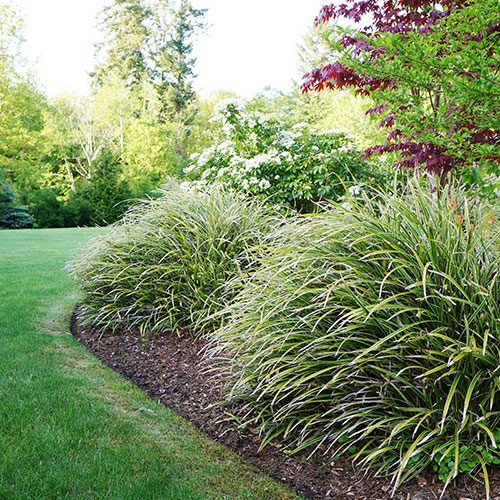
Mulch delivers some of the highest return-on-investment benefits of any landscaping service, both visually and functionally. When applied correctly, mulch improves plant health, reduces maintenance, and instantly elevates curb appeal.
One of the biggest benefits of mulch is moisture retention. Mulch helps soil hold water longer, reducing the need for frequent watering and protecting plants during hot, dry periods. This is especially important for shrubs, trees, and newly planted beds.
Mulch also plays a critical role in weed suppression. By blocking sunlight from reaching the soil surface, mulch significantly reduces weed growth, saving you time, frustration, and money on weed control throughout the season.
Another key benefit is soil temperature regulation. Mulch insulates plant roots, keeping them cooler in summer and protecting them from freeze-thaw cycles in winter. This leads to stronger root systems and healthier, longer-lasting plants.
From an aesthetic standpoint, fresh mulch provides a clean, finished look that instantly boosts curb appeal and makes planting beds stand out. It also helps define landscape edges and creates contrast against lawns and hardscapes.
Over time, organic mulch breaks down and improves soil quality, adding nutrients and encouraging beneficial microorganisms.
In short, mulch protects your landscape investment while making your property look polished and well cared for. Professional mulching ensures proper depth, clean edges, and long-lasting results, giving you maximum benefit with minimal upkeep.
What Makes Us Different?
Licensed Pros
We’re licensed and insured to handle all your requests.
budget Friendly
We're willing to discuss projects constrained by a budget.
Quick Service
We show up on time and finish ahead of schedule regularly.
Friendly Team
Our crew is pleasant and easy to talk to on the job site.
What month should you mulch?
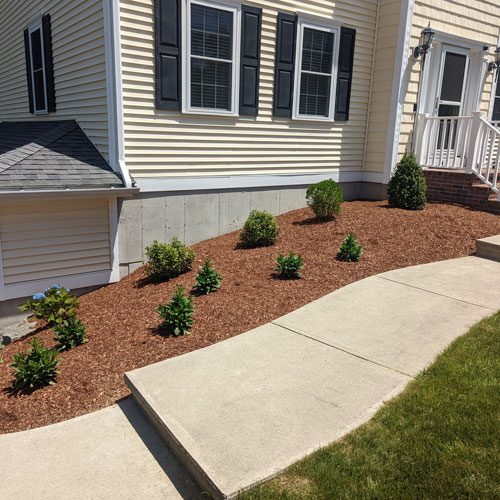
The best time to mulch is typically spring, with April and May being the most popular and effective months for most homeowners. Mulching in spring helps lock in soil moisture, regulate soil temperature as the weather warms, and suppress weeds before they have a chance to take over your landscape beds.
Spring mulching also gives your property an immediate visual refresh. Fresh mulch defines planting beds, highlights shrubs and trees, and instantly boosts curb appeal after a long winter.
That said, fall mulching—usually October or November—also has important benefits. Fall mulch acts as insulation, protecting plant roots from harsh winter temperature swings and freeze-thaw cycles. It’s especially beneficial for newly planted shrubs, trees, and perennials that need extra protection going into winter.
What you want to avoid is mulching too early in spring, before the soil has had a chance to warm up. Mulching frozen or overly cold soil can slow plant growth and delay healthy root activity.
For most properties, the ideal approach is:
Spring mulching for weed control, moisture retention, and appearance
Optional fall mulching for winter protection and soil health
Timing matters, but so does proper installation. Correct mulch depth, clean edging, and keeping mulch away from plant stems are critical to avoid rot and disease.
If you want maximum benefit and a polished look that lasts all season, a professional mulching service ensures your landscape is protected, healthy, and looking its best at the right time of year.

Talk to an Expert
We understand that sometimes you just want to talk before scheduling a consultation.
Our team will gladly answer any of your questions or help you with any of your concerns.
Call (508) 954-1612 or Schedule Online!
Should You Remove Old Mulch Before Applying New?
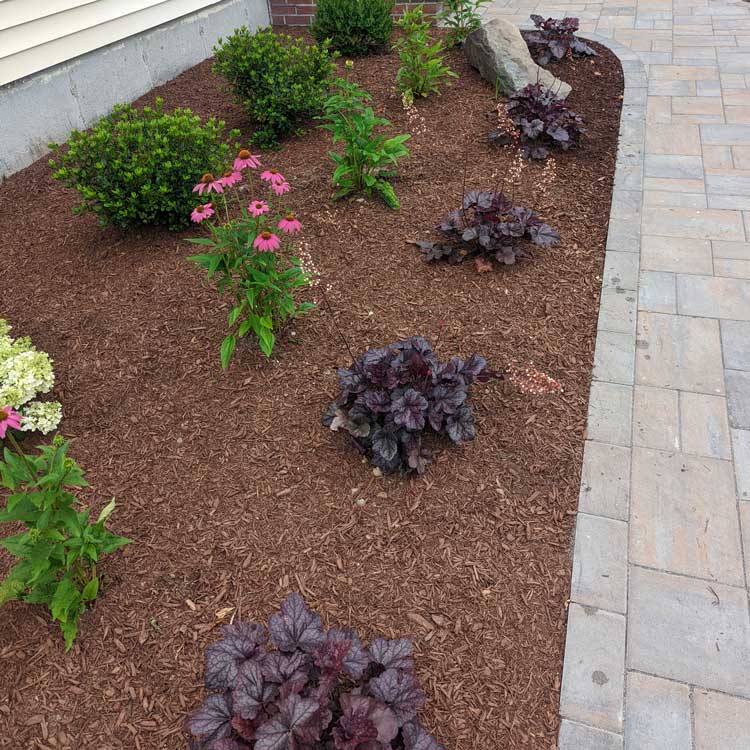
In most cases, yes—old mulch should be removed or reduced before applying new mulch. Simply piling fresh mulch on top of old layers is one of the most common landscaping mistakes and can actually harm your plants over time.
When mulch builds up too thick, it prevents water and oxygen from reaching the soil. This can lead to root rot, fungal growth, pest issues, and shallow root systems. Over-mulching—often called “mulch volcanoes”—is especially damaging around shrubs and trees.
That said, old mulch doesn’t always need to be completely removed. A professional approach evaluates the existing depth first. If there is more than 2–3 inches of mulch already in place, excess material should be removed before adding new mulch. If the old mulch has broken down into soil-like material, it can often be incorporated into the soil to improve structure and nutrients.
Removing old mulch also allows for proper bed cleanup, weed removal, edge redefining, and inspection of plant health. This ensures the new mulch is applied evenly, at the correct depth, and away from plant stems and trunks.
The goal isn’t just appearance—it’s performance. Proper mulch management improves moisture retention, reduces weeds, and protects root systems without suffocating them.
If you want your landscape to stay healthy and polished year after year, professional mulching is the safest option. A trained crew knows when to remove, reduce, or reuse existing mulch—protecting your plants and your investment.
Testimonials From Happy Customers
Request A Free Quote Today!
We'd be happy to come evaluate your property, discuss your needs, and provide you with a competitive quote.