
Shrub Care & Pruning
Wrentham MA
Looking for help with Shrub Care & Pruning Wrentham MA?
Are you a Homeowner? Business Owner? Property Manager? Or maybe someone just looking for more information on Shrub Care & Pruning Wrentham MA?
You’re in the right place…
DO YOU HAVE THESE PROBLEMS:
- Overgrown Shrubs: Struggling with shrubs that have grown too large and are taking over your garden? Our pruning services can help you regain control.
- Poor Growth: Noticing that your shrubs aren’t growing as they should? We can assess and improve their health.
- Unsightly Appearance: Want your shrubs to look more aesthetically pleasing? Our expert pruning ensures they are shaped beautifully.
- Seasonal Maintenance: Need regular maintenance for your shrubs throughout the year? We offer seasonal care plans.
A. Buckley Landscaping’s Shrub Care & Pruning services have helped thousands of homeowners, business owners, property managers, and other individuals in Wrentham, MA and the surrounding communities. After some research, we’re confident you’ll find us to be the right landscape company to handle your Shrub Care and Pruning needs.
Why Choose
A. Buckley Landscaping for Shrub Care & Pruning Wrentham MA?
In short…Because we have a reputation for quality work and being budget friendly. Our customer service is second to none. Our team is always responsive, courteous, friendly, and respectful.
At A. Buckley Landscaping, we do it all! From conception to completion, we handle every aspect of design, construction, planting, and maintenance. This integrated approach reduces project time and money by streamlining each phase of implementation and eliminating the delays that often plague sub-contracted projects.
With A. Buckley Landscaping, you’ll receive:
- Quality workmanship that is guaranteed to last
- Work from licensed professionals who are honest and hardworking
- Dependable service that is completed on time and on budget
- Free estimates and a fully insured crew
To review the creativity of our design and the quality of our craftsmanship, simply take a look at our Photo Gallery. Our decades worth of landscaping projects speak for themselves! From custom landscape designs to planting projects, patios, stonework, and more — You can trust your yard or business property to our team of experts.
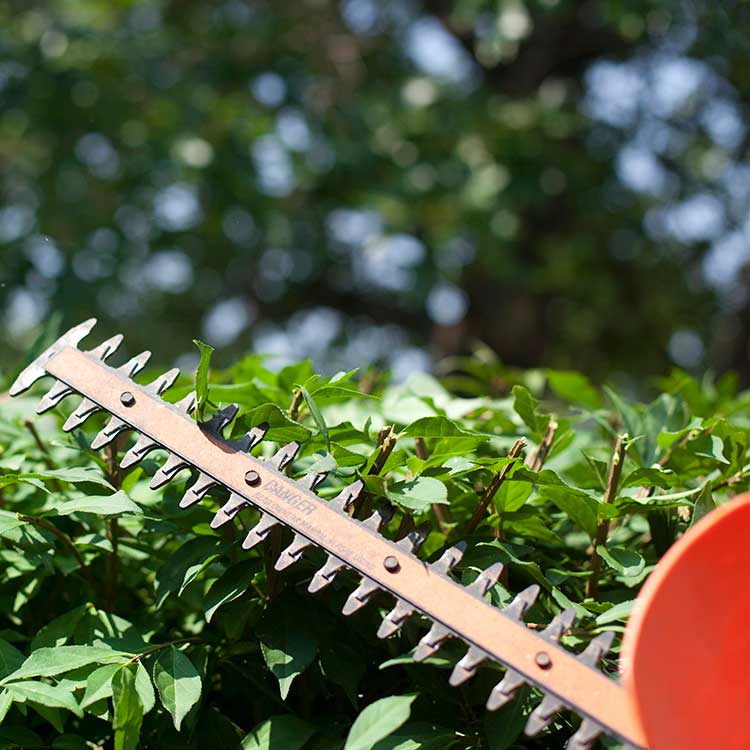
Benefits of
Shrub Care & Pruning:
Enhanced appearance
Healthier shrubs
Encourages growth
Seasonal maintenance
Increases property value
Environmentally friendly
Full Service Landscaping Company
, MA
Lawn Mowing
MA
Property Maintenance
MA

Landscaping Company
Snow Removal Company
MA
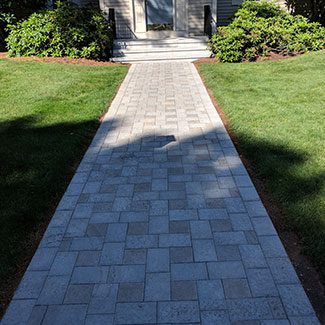
Patios, Walkways, Fire Pits
MA
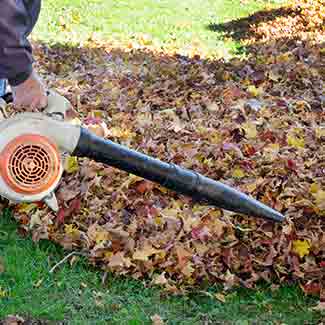
Spring Fall Clean-ups
MA
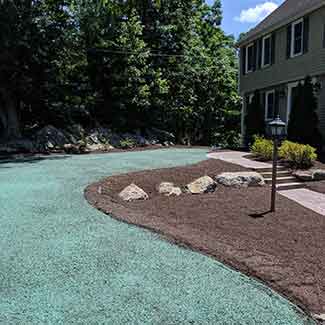
Lawn Installation
MA
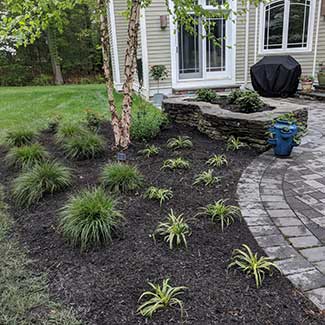
Landscape Design
MA
Lawn Aeration
MA
Landscape Construction
MA
Shrub Care & Pruning
MA
Mulching & Edging
MA
What is shrub care and maintenance?
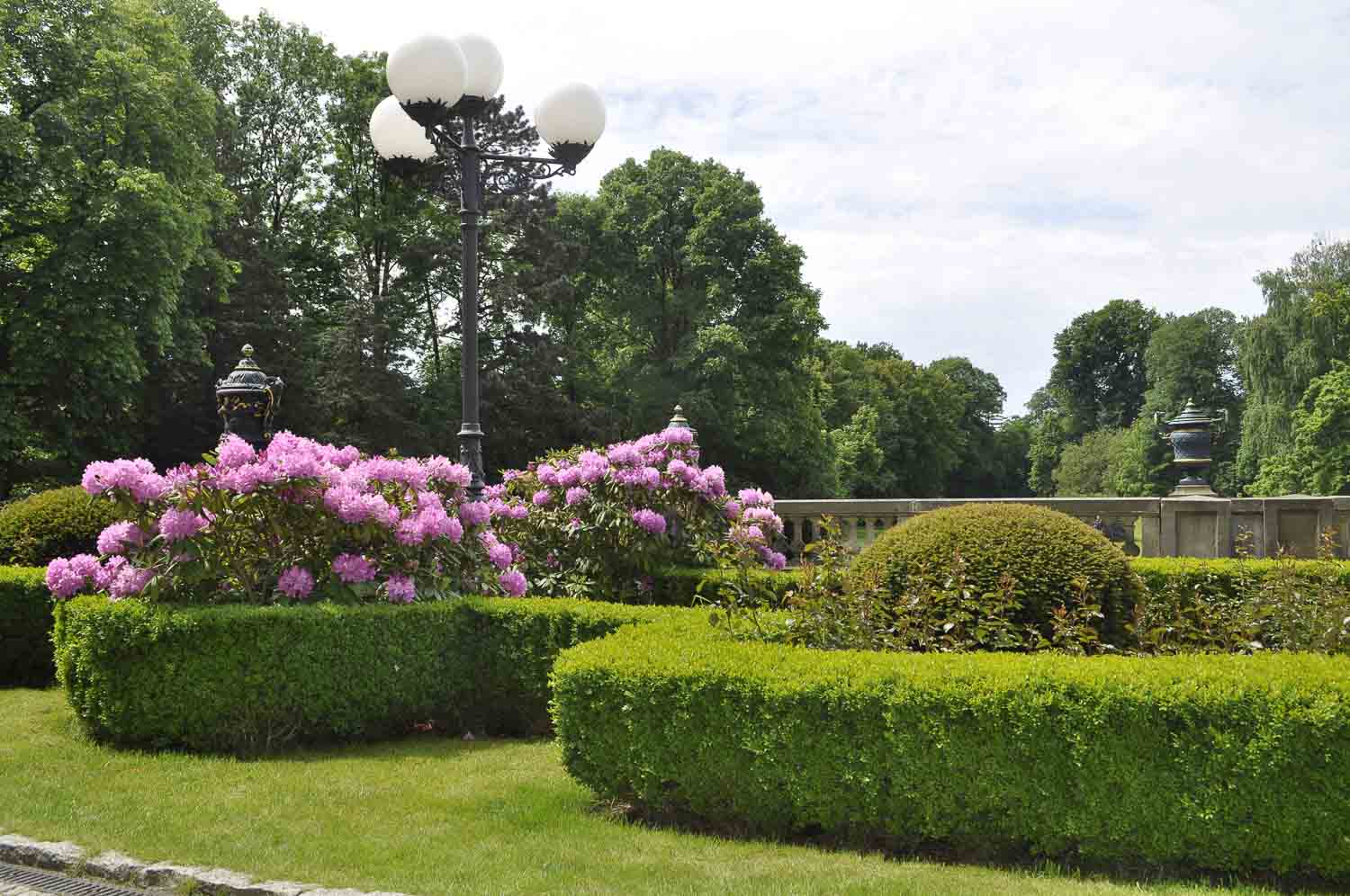
Shrub maintenance is the ongoing care required to keep shrubs healthy, attractive, and properly shaped throughout the year. It goes far beyond occasional trimming—professional shrub maintenance focuses on long-term plant health, controlled growth, and clean visual presentation across your entire landscape.
Core shrub maintenance includes strategic pruning, which removes dead, damaged, or overgrown branches while encouraging healthy growth and proper form. Correct pruning timing is critical; cutting at the wrong time of year can weaken plants, reduce flowering, or cause disease issues.
Shrub maintenance also involves size and shape management. Shrubs that are left unattended often become oversized, block windows, crowd walkways, or overtake nearby plants. Routine maintenance keeps shrubs proportional to your home and landscape design instead of turning into unmanageable masses.
Additional services include fertilization, pest and disease monitoring, and mulching. Proper nutrients strengthen root systems, while early detection of insects or fungal issues prevents widespread damage. Mulch helps retain moisture, regulate soil temperature, and protect roots.
Seasonal cleanups are another important part of shrub maintenance, removing debris and preparing plants for winter or spring growth.
Well-maintained shrubs dramatically improve curb appeal and reduce replacement costs over time. Professional shrub maintenance protects your investment, keeps your landscape polished, and ensures plants grow the way they were intended—not wild, stressed, or neglected.
If your shrubs look uneven, overgrown, or tired, a maintenance plan can restore structure, health, and long-term beauty.
★★★★★
Top-Rated Landscaper
Focused On Quality And Service



Wrentham, MA
History
In 1660, five men from Dedham were sent to explore the lakes near George Indian’s wigwam and to report back to the selectmen what they found. The report of those men, Daniel Fisher, Anthony Fisher, Sgt. Fuller, Richard Ellis, and Richard Wheeler, was received with such enthusiasm that in March 1661 it was voted to start a new settlement there. The Town then voted to send Ellis and Timothy Dwight to go negotiate with King Phillip to purchase the title to the area known as Wollomonopoag.
They purchased 600 acres of land for £24, 6s. The money was paid out of pocket by Captain Willett, who accompanied Ellis and Dwight. The Town voted to assess a tax upon the cow commons to repay him, but some thought the money should be paid by those who would be moving to the new village. The dispute resulted in Willet not being paid back for several years.
After the boundaries of the new community were set, the Town voted to give up all rights to the land in return for the proprietors paying Dedham £160 over four years, beginning in 1661. By January 1663, however, little progress had been made towards establishing a new village. A meeting was called, and the 10 men who volunteered to go raised several concerns about their ability to move forward.
After much discussion, it was decided not to give the 600 acres to the group of pre-selected men, but rather to lay out lots and then award them by lottery. Those who already began to improve their lots were allowed to keep them, and land for a church, burial ground, training ground, roads, and officer lots were not included. All were free to buy and sell their lots.
Not much happened at Wollomonopoag until 1668, at which time a report arrived of native peoples planting corn and cutting down trees on the land that Dedham had purchased. Eleazer Lusher was charged with sending the illiterate Indians a letter warning them to “depart from that place and trespass no further.” Samuel Fisher then took it to them and read it aloud, at which point they replied that they had every intention of remaining on the land. Though they had still not paid him back for the land in question, the Town then asked Willett to speak with King Phillip and ask that he intervene.
There is no record of Phillip’s response to that entreaty but, in August 1669, the Town Fathers received an odd letter from him offering to negotiate for more land if they would quickly send him a “holland shirt.” Dwight and four others were appointed to negotiate with him again, provided Phillip could prove he, and not another sachem, had the rights to the land. In November, an agreement was reached to clear the title for £17 0s 8d. There is no record of whether a shirt was traded.
Samuel Sheares lived alone at Wollomonopoag for some time before a new attempt at a settlement was undertaken in 1671. Five men, John Thurston, Thomas Thurston, Robert Weare, John Weare, and Joseph Cheeney moved there with him, followed the next year by Rev. Samuel Man, a one-time teacher in the Dedham Public Schools. Robert Crossman was employed at the same time to construct a corn mill.
Those who moved there were drawn from the middle class of Dedham. They were primarily people from outside of Dedham who had purchased land there, and second generation Dedhamites who moved without their parents. Without the outsides, it is questionable whether the new community would have survived.
Soon, however, the Wollomonopoag settlers complained that those in the village center were keeping them in a state of colonial dependency. They were upset about absentee landlords whose land values were going up thanks to the labor of the inhabitants and who refused to pay taxes to support the community. They also complained that with the seat of the town government being so far away that they were disenfranchised and best by a lack of capital. Constables refused to travel to Wollomonopoag to make collections, assessments, and social judgement.
With the blessing of Dedham’s Board of Selectmen, the General Court separated the new town of Wrentham on October 16, 1673.
It was burned down during King Philip’s War 1675–1676. In the nineteenth century, Wrentham was the site of Day’s Academy. For a short time, Wrentham was the residence of the educational reformer Horace Mann. It is also known as one of the residences of Helen Keller.
North Wrentham separated as an independent town in 1870 with Plainville splitting off as an independent town in 1905.
Geography
According to the United States Census Bureau, the town has a total area of 22.9 square miles (59 km), of which 22.2 square miles (57 km) is land and 0.7 square miles (1.8 km) (3.14%) is water. Wrentham is bordered by Norfolk on the north, Foxboro on the east, Plainville and Cumberland, Rhode Island on the south, Bellingham on the southwest, and Franklin on the west. It has two large lakes towards the center of town, Lake Pearl and Lake Archer, as well as Mirror Lake on the Wrentham/Norfolk border and numerous smaller lakes. Sheldonville, or West Wrentham, is a rural section of Wrentham located on the western leg of town. Sheldonville still maintains a unique identity as the old farming section of Wrentham, has active commercial orchards, and has its own ZIP Code (02070). Wrentham drains into four watersheds. They are the Charles River to the north, the Taunton River to the east, the Blackstone River to the west, and the Ten Mile River to the south.
Wrentham is the only town of that name in the United States. It is named after the village of Wrentham, Suffolk, England. The only other Wrentham is Wrentham, Alberta. Wrentham, Massachusetts, is by far the most populous of the three.
External Links
What is pruning a shrub?

Pruning a shrub is the process of selectively cutting back branches to improve the plant’s health, shape, and long-term growth. It’s not just about making shrubs look neat—proper pruning helps them grow stronger, fuller, and more resilient over time.
When shrubs aren’t pruned correctly, they can become overgrown, leggy, or stressed. Dead, damaged, or diseased branches restrict airflow and invite pests and disease. Pruning removes these problem areas, allowing the plant to direct energy toward healthy growth.
Pruning also controls size and structure. Without regular pruning, shrubs can block windows, overtake walkways, or crowd other plants. A professional approach ensures shrubs stay proportional to your home and landscape design while maintaining their natural form rather than being hacked into unnatural shapes.
Timing is critical when pruning shrubs. Some shrubs bloom on old growth, while others bloom on new growth. Pruning at the wrong time can reduce flowering for an entire season. Professionals understand when and how much to prune based on the shrub species and local climate.
In addition to aesthetics, pruning encourages thicker growth, better flowering, and improved air circulation, all of which contribute to healthier plants.
Done correctly, pruning extends the life of shrubs and keeps your landscape clean, intentional, and attractive year-round. Professional shrub pruning protects your investment and ensures your plants look their best without risking damage or poor growth.
What Makes Us Different?
Licensed Pros
We’re licensed and insured to handle all your requests.
budget Friendly
We're willing to discuss projects constrained by a budget.
Quick Service
We show up on time and finish ahead of schedule regularly.
Friendly Team
Our crew is pleasant and easy to talk to on the job site.
What are the five rules of pruning?
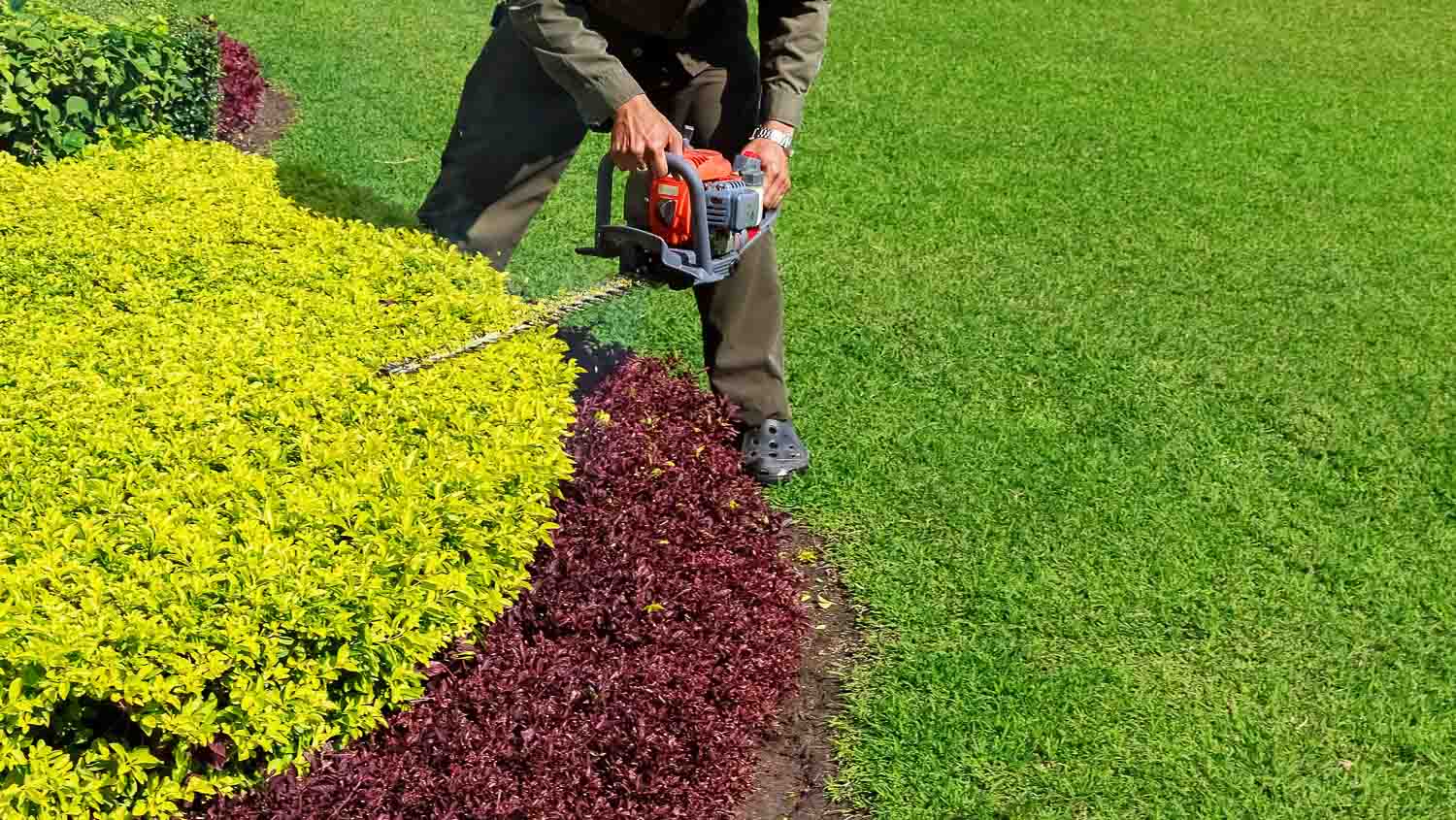
Pruning isn’t about cutting plants back at random. When done correctly, it strengthens plants, improves appearance, and prevents long-term problems. When done wrong, it can permanently damage shrubs and trees. Here are the five essential rules of pruning every healthy landscape follows.
1. Prune with a purpose
Every cut should have a reason—removing dead wood, improving structure, encouraging growth, or maintaining size. Random or aggressive cutting weakens plants and creates uneven, unnatural growth.
2. Prune at the right time
Timing matters. Pruning at the wrong time can eliminate flowers, stress plants, or trigger weak growth. Spring-flowering shrubs are pruned after blooming, while summer-flowering and non-flowering shrubs are typically pruned in late winter or early spring.
3. Never remove more than 25–30% at once
Over-pruning shocks plants. Removing too much foliage at one time forces stressed regrowth and increases the risk of disease, sun damage, and dieback.
4. Make clean, proper cuts
Cuts should be clean, angled correctly, and made at the right location—never ripped, crushed, or flush-cut. Poor cuts invite pests and disease and slow healing.
5. Respect the plant’s natural shape
Shrubs and trees should be guided—not forced—into shape. Shearing everything into tight balls or boxes leads to weak outer growth and dead interiors over time.
Professional pruning follows these rules every time. A trained eye knows where, when, and how to cut without causing damage. If you want healthier plants, better flowering, and a polished landscape year-round, start with expert pruning done the right way.

Talk to an Expert
We understand that sometimes you just want to talk before scheduling a consultation.
Our team will gladly answer any of your questions or help you with any of your concerns.
Call (508) 954-1612 or Schedule Online!
What month should you prune shrubs?
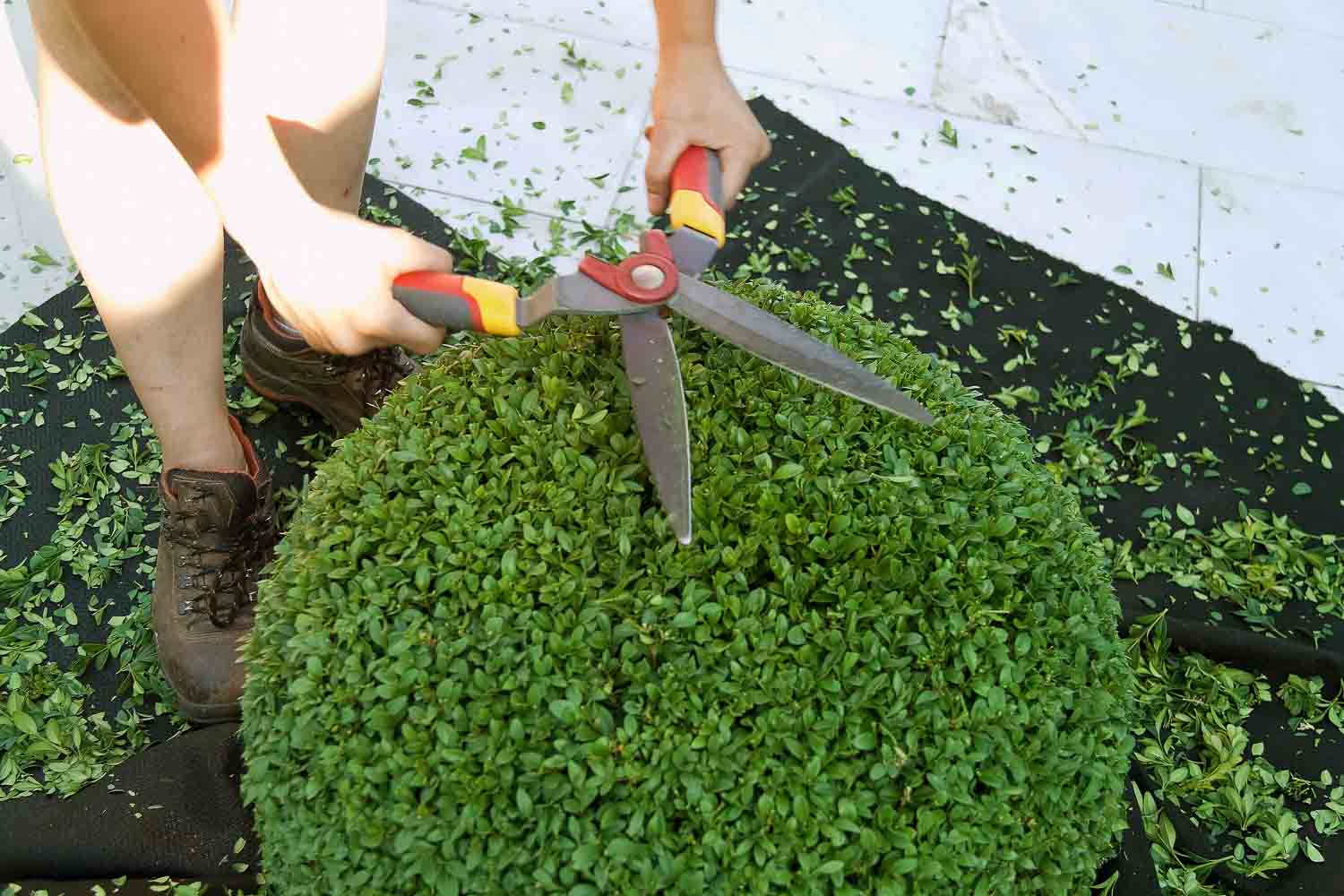
The best month to prune shrubs depends on the type of shrub and when it blooms, but for most landscapes, pruning is done in late winter to early spring—typically February through April in many regions. This timing allows shrubs to heal quickly and push strong new growth as the growing season begins.
For non-flowering shrubs or shrubs grown mainly for their shape, late winter or early spring pruning is ideal. Plants are still dormant, branches are easy to see, and pruning at this time encourages healthy, controlled growth without stressing the plant.
Flowering shrubs require more specific timing. Shrubs that bloom in spring, such as lilac or forsythia, should be pruned right after they finish flowering—usually in late spring or early summer. Pruning them too early can remove the buds and eliminate blooms for the year.
Shrubs that bloom in summer, like hydrangeas and butterfly bush, are best pruned in late winter or early spring, as they flower on new growth.
Light maintenance pruning can be done during summer to control size, but heavy pruning in late fall is generally discouraged. Cutting too late in the season can stimulate new growth that won’t harden off before winter, leading to damage.
Because timing matters, guessing can be costly. Professional shrub pruning ensures the right cuts are made at the right time, protecting blooms, plant health, and curb appeal. If you’re unsure when to prune, a consultation can save you from expensive mistakes and disappointing results.
Testimonials From Happy Customers
Request A Free Quote Today!
We'd be happy to come evaluate your property, discuss your needs, and provide you with a competitive quote.